Introduction to Sports Broadcasting
Sports broadcasting serves as a vital connection between fans and their favorite games. It encompasses the live transmission of sporting events, discussions, analyses, and highlights across various platforms. With the continuous evolution of technology, the Sports Broadcasting landscape is experiencing profound changes, making it crucial for enthusiasts and professionals to stay informed about its dynamics.
What is Sports Broadcasting?
Sports broadcasting can be defined as the dissemination of sports events, analysis, and related content to the audience through various media channels. This includes traditional television and radio broadcasting, cable networks, streaming platforms, and social media. It plays a crucial role in shaping how audiences experience sports by delivering real-time updates, commentary, and analysis that enhances the viewing experience.
Key Components of Sports Broadcasting
Key components that define sports broadcasting include:
- Live Coverage: The ability to broadcast events in real-time, allowing fans to experience every moment as it occurs.
- Commentary and Analysis: Expert opinions and analyses provide deeper insights into the game, enhancing audience engagement.
- Interactivity: Social media integration allows for real-time fan reactions and participation, further immersing viewers in the experience.
- Highlight Packages: Post-event highlights summarize the key moments for viewers who may have missed the live action.
Historical Perspective on Sports Broadcasting
The history of sports broadcasting traces back to the early 20th century, with radio broadcasts of baseball games paving the way for future developments. The introduction of television in the mid-1900s revolutionized the industry, making sports accessible to a broader audience. Major events, such as the Olympic Games and Super Bowl, have since set benchmarks in sports broadcasting and attracted millions of viewers worldwide.
The Evolution of Sports Broadcasting Technologies
Advancements in Live Sports Coverage
Advancements in technology have greatly enhanced live sports coverage. Innovations such as high-definition (HD) and 4K broadcasting provide clearer and more immersive viewing experiences. Additionally, the introduction of instant replay technology allows audiences to witness pivotal moments from multiple angles, deepening their understanding and enjoyment of the game.
Role of Streaming Platforms in Sports Broadcasting
Streaming platforms have disrupted traditional sports broadcasting by providing fans with flexible viewing options. Services like Amazon Prime Video and ESPN+ cater to diverse audiences, offering on-demand and live sports content. Furthermore, the rise of mobile applications has enabled fans to watch games on the go, fostering a shift in how sports are consumed and enjoyed.
Future Technologies Shaping Sports Broadcasting
Emerging technologies such as virtual reality (VR) and augmented reality (AR) are poised to further transform sports broadcasting. These technologies can create interactive experiences by allowing fans to immerse themselves in games as if they were present in the stadium. Additionally, artificial intelligence (AI) has the potential to improve analytics and enhance content recommendations, personalizing the viewing experience.
The Dynamics of Sports Broadcasting Production
Behind-the-Scenes of Sports Broadcasting
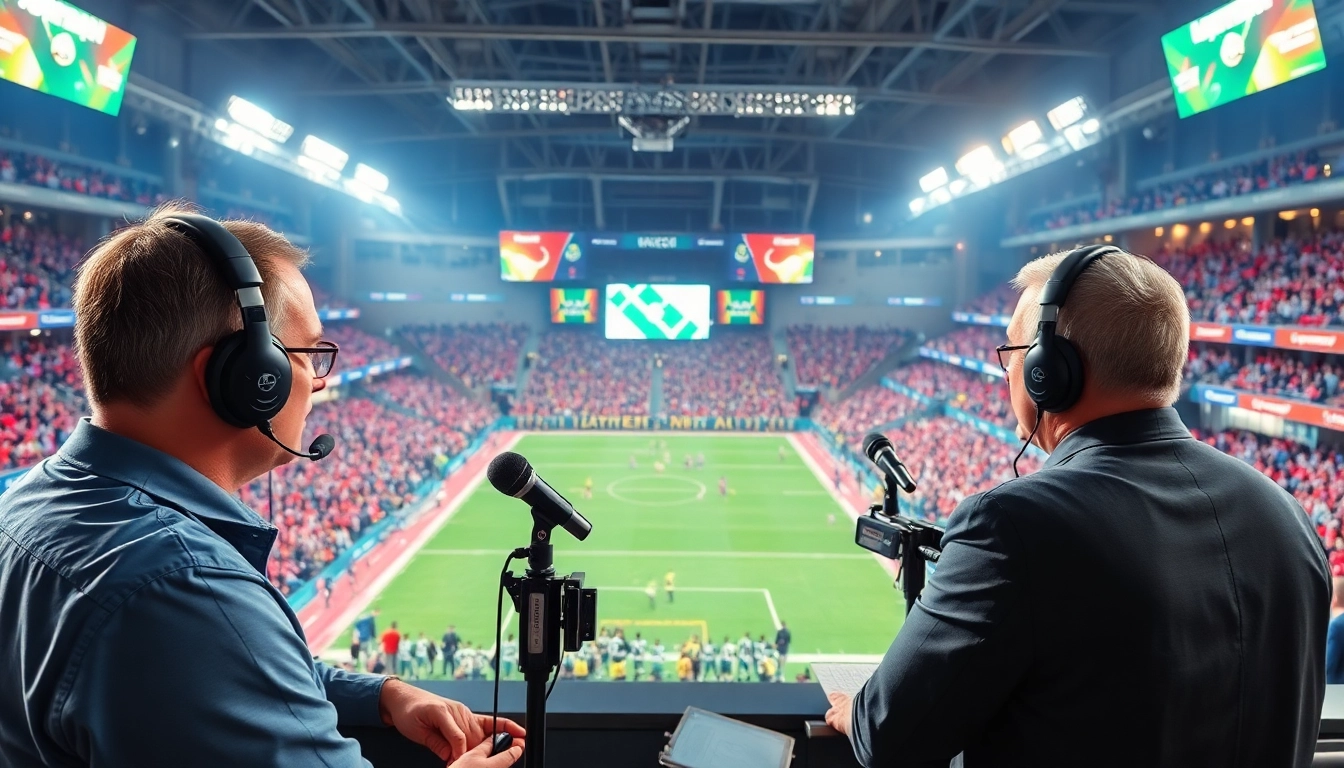
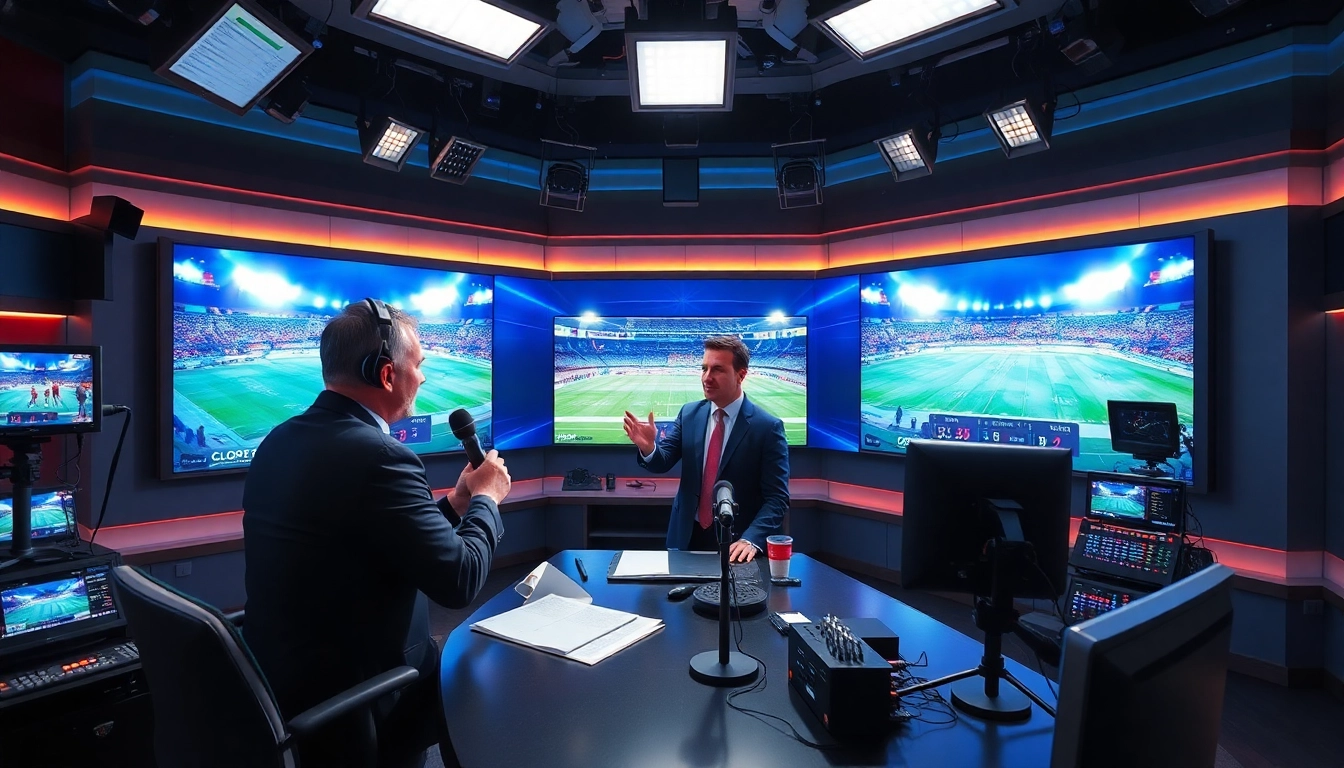
The production of sports broadcasting involves a coordinated effort among numerous individuals and technologies. This includes the planning phase, logistics management, and on-location challenges. A dedicated team oversees the technical aspects, ensuring smooth operation, from camera placement to audio quality, making every broadcast a seamless experience for viewers.
Crew Roles in Sports Broadcasting
Many specialized roles contribute to successful sports broadcasting, including:
- Producers: Oversee the entire production, coordinating all elements from scripting to technical execution.
- Directors: Manage the live broadcast, determining camera angles and transitions crucial for dynamic viewing.
- Cameramen: Capture the action from various angles, enhancing viewer engagement through diverse perspectives.
- Commentators: Provide live commentary, analyses, and insights, connecting with the audience through storytelling.
Equipment Essential for High-Quality Productions
High-quality sports broadcasting relies on advanced equipment, including:
- Cameras: Professional-grade cameras capable of capturing high-definition video are essential for broadcast quality.
- Audio Equipment: Quality microphones and sound systems ensure that both dialogue and ambient sounds are clear and immersive.
- Switching Equipment: Video switchers allow for dynamic camera transitions during live broadcasting.
Best Practices for Engaging Sports Broadcasting
Building Viewer Engagement in Sports Broadcasting
Viewer engagement is critical to the success of sports broadcasting. Strategies to build engagement include interactive polls, real-time fan responses through social media, and frequent updates on player statistics and game conditions. Maintaining viewer loyalty through consistent, high-quality content is fundamental, especially in a competitive environment.
Storytelling Techniques in Sports Broadcasting
Effective storytelling can elevate the broadcasting experience. Highlighting player backgrounds, creating emotional narratives, and showcasing significant moments in team history can resonate with audiences and deepen their emotional connection to the sport. Using graphics and video inserts can complement storytelling and make broadcasts visually appealing.
Integrating Social Media into Sports Broadcasting
Social media serves as a powerful tool for enhancing sports broadcasting. Broadcasters can integrate live tweets, fan reactions, and expert opinions into the broadcast, creating a richer, more interactive experience. Sharing behind-the-scenes content and engaging with fans on platforms like Twitter and Instagram fosters a sense of community and connection.
Analyzing the Impact of Sports Broadcasting on Fans and Society
Sports Broadcasting and Fan Community Building
Sports broadcasting plays a crucial role in fostering fan communities. With shared viewing experiences, fans form connections based on common interests, enhancing camaraderie and engagement. Online forums and social media platforms allow fans to discuss games, share opinions, and celebrate victories, reinforcing their sense of belonging.
Economic Impact of Sports Broadcasting
The economic influence of sports broadcasting is substantial. It generates revenue not only for sports leagues and teams through broadcasting rights but also significantly impacts local economies through job creation and increased tourism. Sports events attract large audiences, resulting in heightened demand for accommodations, food, and services, further stimulating economic growth.
Ethical Considerations in Sports Broadcasting
Ethical concerns in sports broadcasting, such as potential biases in commentary, reporting on sensitive issues like player injuries, and the portrayal of athletes, require careful consideration. Maintaining transparency and integrity in reporting is crucial for trustworthy communications and protecting the interests of fans and athletes alike.
FAQs
What is the main purpose of sports broadcasting?
The main purpose of sports broadcasting is to deliver live sports content, analyses, and discussions to fans, enhancing their viewing experience and keeping them engaged with their favorite events.
How has technology impacted sports broadcasting?
Technology has transformed sports broadcasting by introducing high-definition video, instant replays, AI analytics, and streaming services, enabling more immersive and flexible viewing experiences.
What roles are essential in sports broadcasting production?
Key roles include producers, directors, cameramen, and commentators, all of whom ensure a seamless and engaging broadcast for viewers.
Why is viewer engagement important in sports broadcasting?
Viewer engagement is fundamental in maintaining audience loyalty, driving interaction, and creating a community around events, which ultimately enhances revenue and viewership.
What are the ethical considerations in sports broadcasting?
Ethical considerations include ensuring unbiased reporting, appropriate commentary on sensitive topics, and respecting athletes’ rights and privacy, which are vital for maintaining trust and integrity.