Understanding Sports Broadcasting
What is Sports Broadcasting?
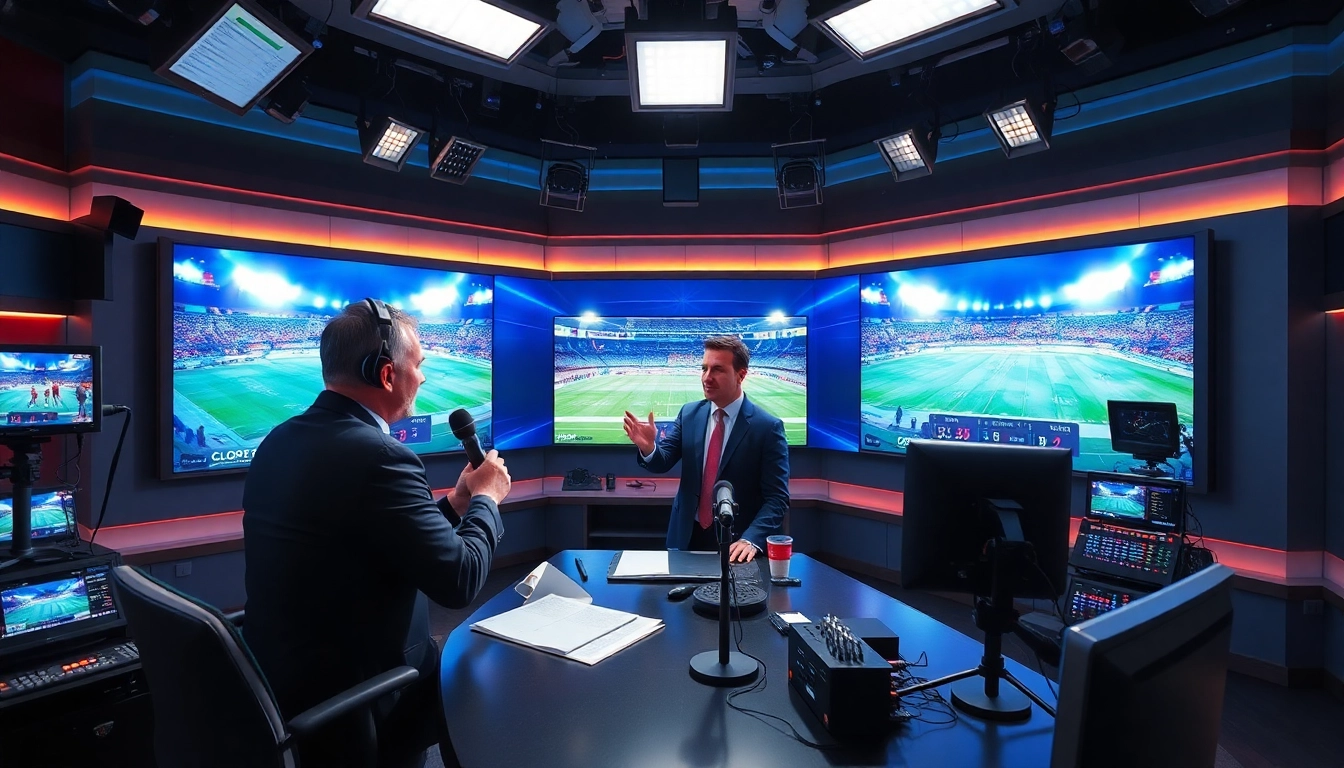
Sports broadcasting refers to the dissemination of sports-related content through various media platforms, such as television, radio, and online streaming services. This captivating field entails live commentary, highlights, interviews, and analysis, providing fans worldwide with real-time access to their favorite sports events. The evolution of technology has transformed the landscape of Sports Broadcasting, enabling the delivery of high-quality content to a global audience. Broadcasters face the constant challenge of keeping up with viewer expectations in terms of quality and engagement, making this a dynamic and competitive arena.
Key Roles in Sports Broadcasting
Understanding the various roles within the world of Sports Broadcasting is crucial to appreciate how complex this sector is. Here are some key positions:
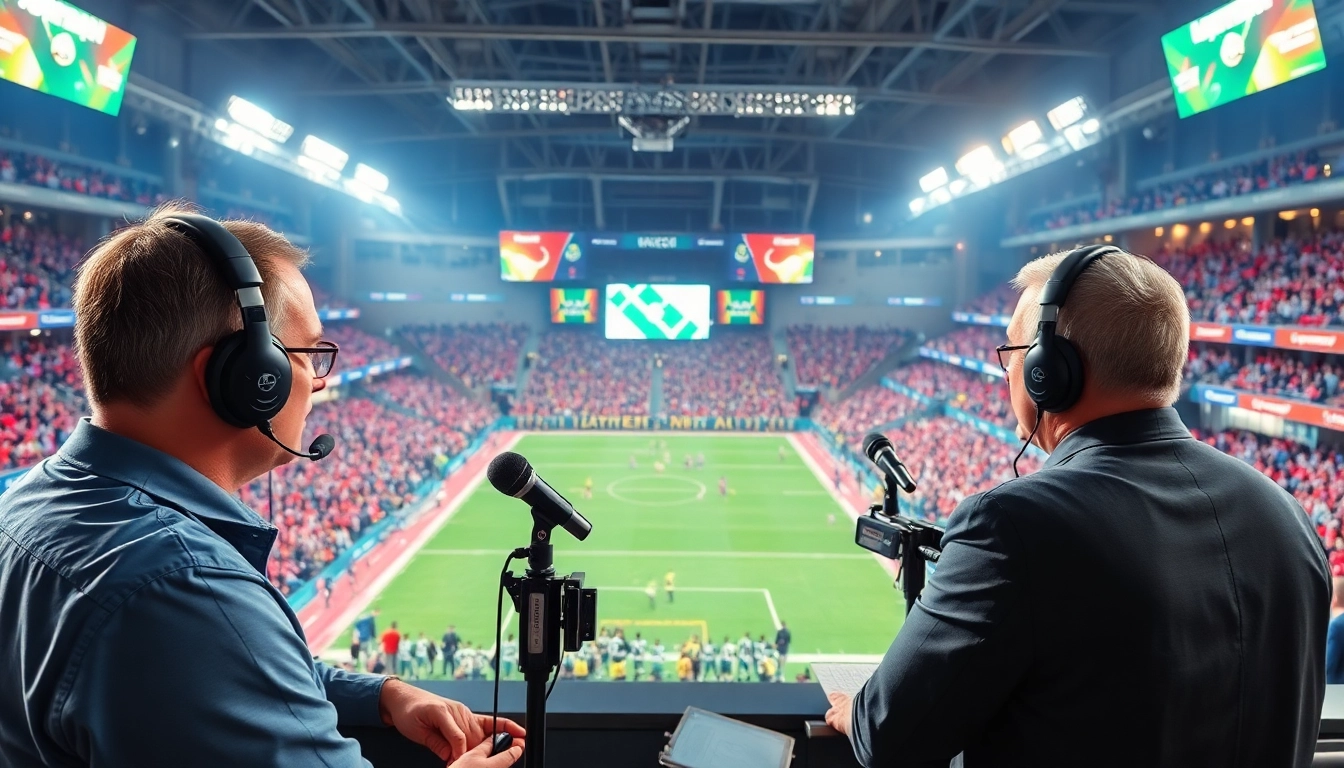
- Sports Commentator: Provides live commentary and adds excitement to the event. They analyze plays, player performances, and offer insights that enhance the viewing experience.
- Producer: Oversees the entire broadcast, coordinating between different departments to ensure smooth transmission. They make critical decisions regarding content and on-screen graphics.
- Camera Operators: Capture every angle of the action, ensuring important moments are included in the broadcast. Their skill is essential for delivering an engaging viewing experience.
- Technical Team: Responsible for the technology that powers Sports Broadcasting, including sound, video editing, and transmission equipment.
The Evolution of Sports Broadcasting
The journey of Sports Broadcasting began with radio broadcasts in the early 20th century, where sports fans would gather around their radios to follow live updates. The introduction of television in the mid-20th century revolutionized the industry, allowing audiences to experience the action like never before. Traditional networks initially dominated the field, but the rise of cable channels diversified viewership options. Recently, the emergence of Sports Broadcasting through the internet has radically changed consumption habits, popularizing streaming platforms that allow for flexible viewing and on-demand content. As trends like DVR and mobile viewing emerged, it significantly shaped how sports are consumed today.
Essential Techniques in Sports Broadcasting
Preparing for a Live Broadcast
Preparation is key in Sports Broadcasting. Broadcasters must conduct extensive research on teams, players, and statistics to provide insightful commentary. This involves maintaining current knowledge about player injuries, historical context, and recent performances. Additionally, coordination with the production team for logistics, like camera angles and timing, is essential to ensure a coherent live broadcast. Successful sports broadcasters often compile notes on player statistics, team tactics, and storylines that enhance the narrative of the event.
Effective Communication Skills
Sports Broadcasting heavily relies on communication skills, requiring broadcasters to convey information clearly and engagingly. This includes articulating thoughts quickly during live events, managing pacing to maintain excitement, and employing a relatable tone that resonates with viewers. Good sports broadcasters are able to balance in-depth analysis with entertaining commentary, ensuring that the audience remains engaged throughout the broadcast. Moreover, handling spontaneous dialogue, such as interviews and fan interactions, showcases adaptability in communication.
Utilizing Technology in Sports Broadcasting
Technology plays a pivotal role in Sports Broadcasting, from high-definition cameras capturing every detail to sophisticated graphics systems that enhance viewer understanding. Innovations such as slow-motion replays, advanced analytics, and virtual reality experiences have transformed the spectating experience. Broadcasters must stay informed about new technologies, implementing them effectively to enhance storytelling. The use of social media platforms also allows broadcasters to engage with fans in real-time, making the coverage more interactive and inclusive.
Challenges in Sports Broadcasting
Handling Live Scenarios
Live broadcasting is unpredictable, often leading to unexpected scenarios such as equipment failures or unanticipated events during the game. Broadcasters must think on their feet and be prepared to adjust their commentary or coverage accordingly. This requires a deep understanding of the sport to ensure that the viewers do not miss crucial information, even amidst chaos. Engaging with the audience during such moments can also help maintain viewer interest and offer additional context.
Overcoming Technical Difficulties
Technical difficulties during live broadcasts can be detrimental, potentially leading to loss of viewer engagement. To overcome such challenges, sports broadcasters must collaborate closely with their technical team to ensure redundancy plans are in place. This means having backup systems for audio or video feeds and being prepared to switch to alternative forms of coverage if an issue arises. Contingency planning and quick problem-solving capabilities are crucial in minimizing disruptions during live events.
Dealing with Fan Reactions
Fan reactions significantly impact broadcasting. Emotions run high during live sports, and broadcasters often find themselves mediating between enthusiastic fans and critical viewpoints. Understanding the audience’s emotional landscape is vital to delivering balanced commentary. Broadcasters may also create platforms for fan interaction via social media, enhancing viewer engagement while appropriately responding to diverse opinions and heated discussions about performances and decisions made during the games.
Best Practices for Sports Broadcasting
Creativity in Storytelling
Creativity is essential in Sports Broadcasting, as it differentiates coverage in a crowded marketplace. Broadcasters should strive to weave compelling narratives into their coverage, focusing on personal stories, rivalries, and season arcs that captivate audiences. Engaging storytelling can turn a regular game into an unforgettable experience, making viewers feel a connection to the events unfolding on-screen. Utilizing diverse formats, such as interviews or segments that explore players’ backgrounds, can enrich the storytelling process.
Engaging Your Audience
Engagement is at the heart of successful Sports Broadcasting. Broadcasters should aim to foster a connection with audiences through relatable language and entertainment. Utilizing fan interaction segments, polls, and real-time social media updates encourages audience participation, making viewers feel part of the experience. Additionally, broadcasters should adapt to audience preferences by analyzing viewership data and adjusting content to fit their interests and habits, ensuring a relevant and engaging broadcast.
Analyzing Audience Feedback
Feedback is invaluable in refining broadcasting practices. Sports broadcasters should actively seek audience opinions through surveys and social media feedback to assess their performance and content preferences. Utilizing data analytics can highlight trends in viewership, enabling broadcasters to tailor content accordingly. Regularly analyzing audience feedback can lead to improvements in communication styles, content focus, and engagement strategies, ultimately elevating the broadcasting experience.
Future Trends in Sports Broadcasting
Impact of Streaming Services
The rise of streaming services has dramatically shifted the landscape of Sports Broadcasting. With platforms offering on-demand viewing options, consumers are no longer limited by traditional broadcasting schedules. This trend presents opportunities for broadcasters to provide targeted content, such as highlights and behind-the-scenes footage. However, it also challenges them to capture a share of dwindling live viewership, prompting broadcasters to be more innovative in their approaches to attract and retain audiences.
Integration of VR and AR Technologies
Virtual Reality (VR) and Augmented Reality (AR) technologies are poised to revolutionize Sports Broadcasting by enhancing viewer immersion. VR allows fans to feel as if they are in the stadium, while AR can overlay real-time information, such as statistics or player insights, over the live action. As technology advances, integrating these interactive elements can provide an unparalleled viewing experience, pulling viewers deeper into the sports world and creating new avenues for engagement.
Shifting Viewing Preferences
As viewer habits continue to evolve, Sports Broadcasting faces the challenge of adapting to new preferences. Younger audiences tend to favor short-form content and highlights over traditional broadcasts, prompting a shift in how games are packaged and presented. Broadcasters must rethink their strategies, focusing on delivering quick, engaging content that suits modern consumer habits. Incorporating interactive and multi-platform approaches allows broadcasters to cater to diverse audiences and meet the demands of an evolving market.
Frequently Asked Questions
What are the primary responsibilities of a sports broadcaster?
The primary responsibilities include providing live commentary, conducting interviews, performing analysis, and engaging with the audience during broadcasts.
How has technology influenced sports broadcasting?
Technology has enhanced viewing experiences through high-definition visuals, instant replays, and virtual reality, allowing for more engaging coverage.
Why is audience engagement important in sports broadcasting?
Audience engagement is crucial for retaining viewers, building community interaction, and ensuring viewer loyalty, which can boost ratings and revenue.
What are common challenges faced by sports broadcasters?
Common challenges include technical difficulties, handling live scenarios, and managing audience reactions and expectations during broadcasts.
What trends are shaping the future of sports broadcasting?
Trends include the rise of streaming services, integration of AR and VR technologies, and shifting viewer preferences towards on-demand and interactive content.